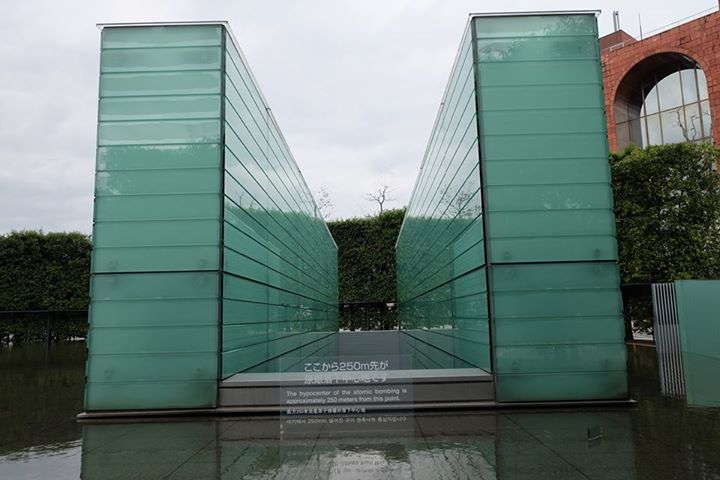
Inori no Nagasaki

We decided to celebrate the end of the first school quarter by spending a weekend in Nagasaki. Ruby and I just hopped on a train and we arrived in less than two hours - I think I'm going to enjoy Japan's railway system. 

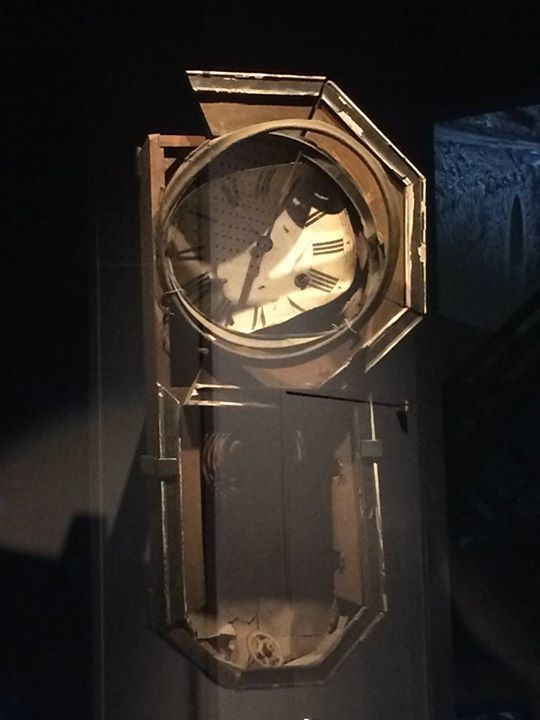
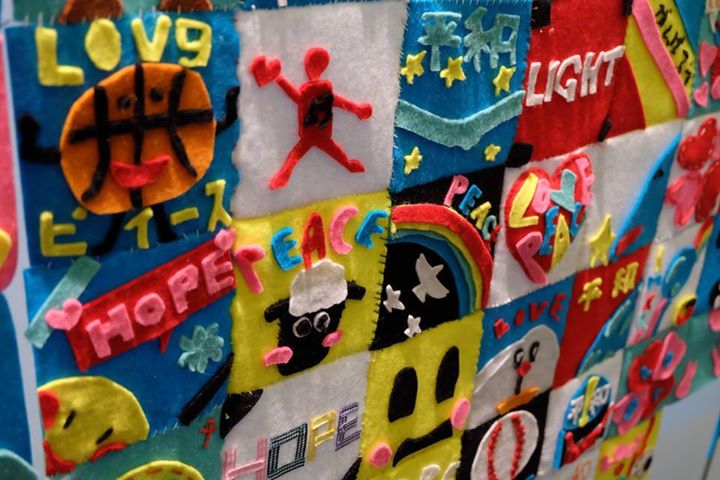
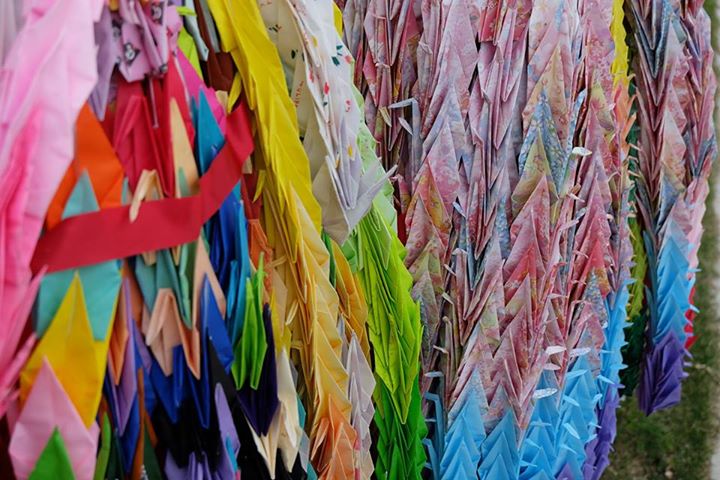
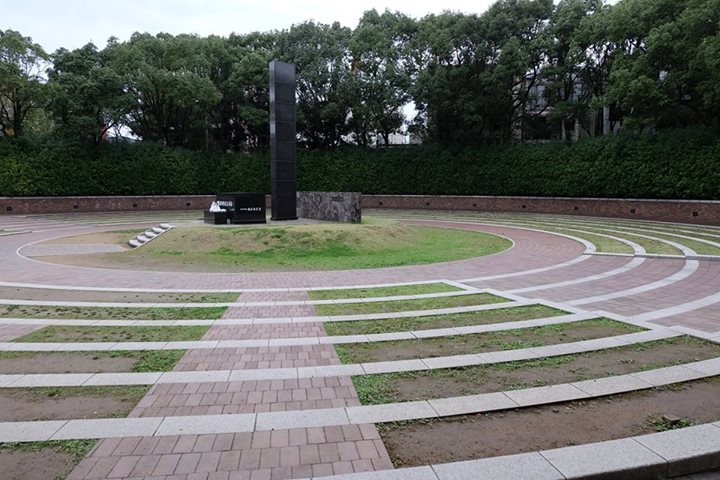
The first day was a somber - if grim - pilgrimage through the  "Peace Course" - the cluster of museums and parks that commemorate the atomic bombing of the city.  It is a bit depressing, but these difficult moments have to be confronted.


I'm sort of a military otaku, but I never liked nuclear weapons. From a tactical standpoint - they're just too messy. You're likely to harm your own troops and resources in the process of employing them (and poison the terrain, which sort of moots the point of tactics). The strategic "options" that nukes give you (apocalypse or not apocalypse) are so inflexible and horrifying that they can't be used as leverage. Meanwhile, their very presence makes the world a very dangerous place. So, I never liked the ghastly things.   

Edward Snowden Explains How To Reclaim Your Privacy

From The Intercept:

What we do need to protect are the facts of our activities, our beliefs, and our lives that could be used against us in manners that are contrary to our interests. So when we think about this for whistleblowers, for example, if you witnessed some kind of wrongdoing and you need to reveal this information, and you believe there are people that want to interfere with that, you need to think about how to compartmentalize that.


Why Fingerprints Are Bad Security Tokens

I keep telling you guys that TouchID is a bad idea: 

From Hackaday:

Passwords are crap. Nobody picks good ones, when they do they re-use them across sites, and if you use even a trustworthy password manager, they’ll get hacked too. But you know what’s worse than a password? A fingerprint. Fingerprints have enough problems with them that they should never be used anywhere a password would be.
...
But if your fingerprints are your password and they get leaked, it’s “impossible” to change them. Indeed in traditional fingerprint applications, uniqueness and immutability are the whole point — tying criminals to the scene of the crime, for instance. If you could just change your fingerprints after each heist, you wouldn’t have to wear those awkward gloves.
...
The problem with fingerprints is that close is good enough, and needs to be. If I press my finger harder into one reader than into another, or swipe differently, or have a cut, I still want the reader to accept my fingerprint. Trained FBI agents make matches with “partials” all the time, and with reasonable accuracy. Close matches are a fact of life with human flesh and real-world scanners. But a fingerprint with a tiny flaw will hash into something entirely different from the reference version. What this means is that fingerprints are not hashable. Hashing makes passwords strong and without it, fingerprint protection is much weaker.

Setsumei

They say you'll never really appreciate your own country until you see it from a foreign land. To that, I add that one never gets to appreciate his legal system until he try to explain it to a foreign lawyer.

Now that we're doing some comparative law, looking at "baseline" common law and civil law rules, I'm starting to see what a strange and improbable thing Philippine law is - a civil law tradition with an active Supreme Court engaged in common law style elaboration of substantive rules. Whenever I try to explain the whole thing, they look at me as if I'm trying to describe a linear accelerator and a ham sandwich getting together and producing a fully functional airplane.